Anyone Else Using AI as a Therapist?
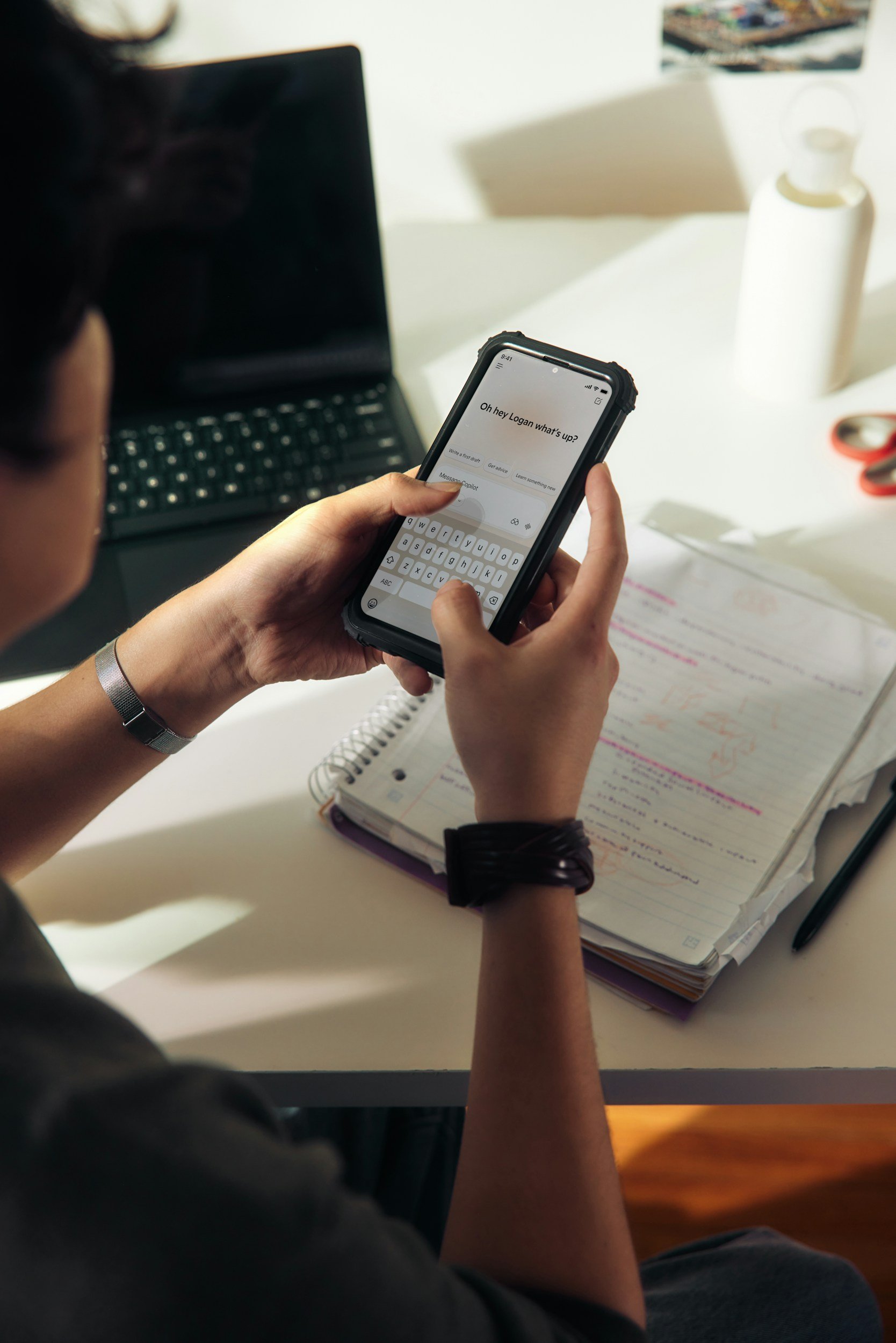
In recent years, I have clients come up to me asking: "I told ChatGPT about my symptoms, and it suggested I may have ADHD/PTSD/BPD, etc. Do I?"
Yes, some of the description of your experiences may fit the criteria of a mental disorder, but also:
Who has never felt easily tired at some point in their life? Or who never think they “over-thinking” once?
For clients who already suffered from mental health challenges, it often comes with self-questioning, self-doubt, and negative self-evaluation. It can be very unhelpful for any untrained person to self-diagnose by talking to ChatGPT.
It was also a moment where, inside of me, was thinking: how can I prevent this from happening? In some ways, it's like hearing that clients told me they talked to an unlicensed practitioner who appears to be knowledgeable (halo effect), but really not knowing what they're doing.
When you suffer from “not knowing”
A lot of high achievers go after understanding and trying to find solutions.
What AI don't understand:
Your lived experiences growing up
Your unique upbringing and how stress and emotions were handled within it
The discrepancy between the suggested solution and what you can realistically do and feel
Last but not the least: What you yearning for may not be what you need the most at the moment.
As a relational mental health therapist, I see that the core of a lot of mental health disorders is surrounded by disconnections:
The disconnection between when you are considerate and tend to compromise your needs but not being treated with the same by others
The disconnection between wanting to live a life that is simple without worrying about other’s approval, yet you behave carefully at work and hope everyone likes you
The disconnection between you wanting freedom and balance between life and work, but currently you feel stuck with your job and juggling multiple responsibilities in life.
You are not “not good enough”, you are just lonely and exhausted.
In therapy, we help in
Creating a safe, contained environment for you
Understanding your disconnections (core) without judgment
Establishing a strong therapeutic connection
Helping you experience and feel the connection
Train your nervous system (feel) and your brain(think) to be in alignment
This is not a piece of advice. This is real, deep, mutual invested therapeutical change in life.
AI as a therapist (Dr. Chat) can still be useful. It is just not a human being, nor a therapist can read your emotional cues.
Don’t get me wrong. I think there are many benefits to talking to AI, especially when you are wanting an alternative perspective or simply don’t know what to do. I think it is helpful in several circumstances:
1. Limited access to mental health resources. If mental health services or support in your area are not readily available, and you want a supportive, friendly friend to talk to or vent to. You can give them a clear instruction. This can be a good temporary measure.
2. Safety concerns. AI can give you readily recommendations and resources in your area that can help you address immediate concerns.
3. The availability. It is a 24/7 service as long as you have internet. So that you can access it at any time, even outside of regular business hours for therapy.
Sometimes you just want someone to talk to—and sometimes you need more structured, professional support. If you’re tired of feeling uncertain and living in the “not knowing,” working with a therapist can offer clarity, guidance, and a space to be understood while exploring the root causes.
I am here, when you are ready.